

You may have heard the term “epigenetics”, especially if you are our client here at the Midwives of New Jersey. But you may not know exactly what it is or why it should matter to you. Epigenetics is more than a scientific concept—it’s a reminder that the daily choices you make can help shape your baby’s health and even the health of your grandchildren through generational health trends.
What is Epigenetics?
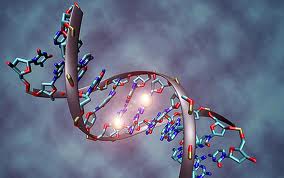
Epigenetics is the study of how our environment and lifestyle can change how our genes work—without changing the actual DNA sequence. You can think of your genes as instructions that your body follows to function and grow. Epigenetics controls which instructions get used and which ones stay closed.
Imagine your DNA is like a light switch. Epigenetics is the hand that flips the switch on or off. That hand is influenced by many things: what you eat, how much stress you have, whether you exercise, how you sleep, and even the chemicals you’re exposed to. These influences can affect which genes are active and which are not.
What’s even more fascinating is that these changes can happen during pregnancy and early childhood, when development is happening rapidly. The way a baby’s genes are turned on or off during this time can have long-lasting effects on their health, behavior, and even how their own children might develop in the future. This includes potential influences on chronic conditions like cardiovascular diseases and susceptibility to cancer cells.
This is particularly exciting for Midwives because it gives us another avenue to help families create the healthiest possible start for their babies. By understanding epigenetics, we can help pregnant women make lifestyle choices that positively influence not just their own health but also the long-term health of their children.
Epigenetics and Pregnancy: Why It Matters
During pregnancy, a baby’s body is forming at an incredible speed. This is a critical window of time when epigenetic changes can happen most easily. The food a mother eats, her stress levels, the chemicals she comes into contact with, and even her emotional state can all influence how the baby’s genes are expressed.
This means that a pregnant mother’s lifestyle doesn’t just affect her own health—it can directly influence her baby’s long-term development. Research has shown that these changes can sometimes be passed down to future generations, making healthy choices during pregnancy more important than ever.
What Influences Epigenetics? Key Lifestyle Factors
Here are some of the most important factors that can influence epigenetic changes during pregnancy and early childhood.
1. Nutrition
What you eat is one of the most powerful tools you have to influence gene expression. A nutrient-rich diet full of whole foods—like fruits, vegetables, healthy fats, and lean proteins—can help activate genes that support health and development. On the other hand, a diet high in processed foods, sugar, and artificial additives can lead to negative changes in gene expression and an increased risk of chronic disease.
Certain nutrients are especially important because they support DNA methylation, a key epigenetic process. These include:
- Folate
- Vitamin B12
- Choline
- Omega-3 fatty acids
These nutrients help the body “mark” genes in healthy ways, allowing them to work properly. During your prenatal appointments, the Midwives discuss the importance of a healthy, balanced diet to support both mother and baby during pregnancy. Clients of the Midwives of NJ can take advantage of a one-on-one complimentary pregnancy wellness consultation with Joy Pfingst, our pregnancy health coach.
2. Stress and Emotional Health
Stress is a natural part of life, but too much stress—especially during pregnancy—can impact the baby’s development. When a pregnant mother is constantly stressed, her body releases stress hormones like cortisol. These hormones can cross the placenta and influence the baby’s gene expression, potentially making the child more prone to anxiety, depression, or other emotional challenges later in life.
Managing stress through relaxation techniques, such as prenatal yoga, meditation, walks, journaling, or talking with a friend or therapist, can have a big impact. Creating a calm and loving environment helps both mom and baby thrive.
3. How the Baby is Born
The way a baby enters the world can also affect their epigenetics. Vaginal births expose newborns to the mother’s natural bacteria, which help seed the baby’s gut microbiome. A healthy microbiome plays a major role in digestion, immunity, and even mental health.
C-section births, while sometimes medically necessary, may delay this microbial exposure. Some parents choose to explore “vaginal seeding,” a practice where helpful bacteria are transferred to the baby after birth to help simulate the effects of vaginal delivery.
4. Breastfeeding
Breastfeeding is another way that mothers can support healthy gene expression after birth. Breast milk contains an amazing combination of nutrients, antibodies, and other bioactive compounds that help regulate a baby’s immune system and overall development. These substances can affect gene expression in ways that protect babies from infections, allergies, and chronic diseases later in life.
Midwives often provide support and guidance to help new mothers succeed with breastfeeding, knowing how valuable it is for both baby and mom.
5. Early Bonding and Nurturing
Even after birth, a baby’s early environment continues to shape their epigenetics. Studies have shown that babies who receive consistent care, love, and affection tend to have better responses to stress and healthier emotional development. In contrast, babies who experience neglect may develop gene expression patterns linked to anxiety or behavioral issues.
Simple things like cuddling, talking, making eye contact, and responding to your baby’s needs all play a powerful role in shaping their emotional health and long-term well-being.
6. Environmental Influences
The world around us plays a powerful role in shaping gene expression. Everyday exposures such as air pollution, household chemicals, pesticides, and cigarette smoke can act as epigenetic regulators, turning certain genes on or off in ways that affect development and long-term health. These influences can contribute to oxidative stress, which disrupts healthy cell function and may leave lasting epigenetic marks on a baby’s DNA
Avoiding harmful environmental exposures is especially important during pregnancy when the baby’s body systems are forming rapidly. Choosing non-toxic cleaning products, avoiding synthetic fragrances, using safe cookware, and steering clear of secondhand smoke are all ways you can reduce your baby’s increased risk of future health challenges.
Taking Control of Your Family’s Health
The most empowering part of epigenetics is that it shows us we are not limited by our genes. Yes, we inherit our DNA, but how that DNA works can be shaped by our actions. We have more control than we ever realized over our own health and our children’s future.
As Midwives, we’re not just here to deliver babies—we’re here to support you as a whole person. That includes your physical health, emotional well-being, and the health of your growing family. Understanding epigenetics gives us a powerful tool to help you make the best choices for yourself and your baby.
Cited Research
National Scientific Council on the Developing Child (2007). The Science of Early Childhood Development: Closing the Gap Between What We Know and What We Do. Retrieved from https://developingchild.harvard.edu/wp-content/uploads/2024/10/Science_Early_Childhood_Development.pdf





 Epigenetics: How You Can Impact the Expression of Your Baby’s Genetic Potential
Leave a Reply